What Is Digital Marketing? 7 Strategies to Find and Reach More Customers in 2026
Digital marketing is the use of online channels, technology, and customer data to promote products, services, and brands.
Unlike traditional advertising, digital marketing allows businesses to target specific audiences, personalize communications, and measure campaign performance.
But there's an important distinction:
Digital marketing isn't just about getting more traffic. It's about reaching the right people and turning that attention into customers.
Whether you're running a digital marketing agency, growing a local business, or building a B2B sales pipeline, understanding the major digital marketing strategies is only the beginning.
The real opportunity comes from combining these strategies with accurate business data and a clear customer acquisition process.
1. Search Engine Optimization (SEO)
SEO helps businesses improve their visibility in organic search results.
For example, a roofing company in Chicago might want to rank for:
- Roof repair Chicago
- Commercial roofing contractors
- Emergency roof replacement
Effective SEO includes keyword research, useful content, technical improvements, and local search optimization.
Practical tip: Start by identifying what potential customers actually search for, then create pages that answer those questions better than competing websites.
For agencies, SEO also creates an opportunity to identify businesses with weak online visibility and offer relevant optimization services.
Learn more: Google Search Central SEO Starter Guide
2. Pay-Per-Click Advertising (PPC) and Search Engine Marketing (SEM)
PPC advertising allows businesses to reach potential customers through paid placements on search engines and other platforms.
For example, a dental practice could advertise to people searching for dental implants in its city.
Unlike SEO, which generally takes time to build organic visibility, paid advertising can generate exposure as soon as a campaign starts running.
However, successful campaigns require more than advertising budgets.
Businesses should focus on:
- Relevant audience targeting
- Strong landing pages
- Conversion tracking
- Cost per qualified lead
- Customer acquisition cost
Practical tip: Before increasing advertising spend, make sure your website can convert visitors into inquiries or sales.
Learn more: Forbes Advisor — Digital Marketing
3. Social Media Marketing
Social media marketing helps brands build awareness, engage audiences, and develop relationships with potential customers.
Platforms such as LinkedIn, Facebook, Instagram, and TikTok serve different audiences and business objectives.
For example:
- LinkedIn can help B2B agencies reach business owners and decision-makers.
- Instagram can help restaurants and salons showcase their work.
- Facebook can support community engagement and local advertising.
- TikTok can help consumer brands reach audiences through short-form videos.
Practical tip: Choose platforms based on where your ideal customers spend their time, rather than trying to maintain a presence everywhere.
4. Content Marketing
Content marketing attracts potential customers by publishing useful information instead of relying entirely on promotional messages.
Common formats include:
- Educational blog posts
- Industry reports
- Tutorials and how-to guides
- Case studies
- Videos and webinars
For example, a marketing agency could publish a guide titled "How Local Dentists Can Generate More Appointment Requests."
That article may attract dental practices looking for marketing assistance.
Practical tip: Build content around customer problems, then connect each article to a relevant service or next step.
Learn more: HubSpot Digital Marketing Guide
5. Email Marketing and Personalized Outreach
Email marketing allows businesses to communicate directly with prospects and existing customers.
Permission-based newsletters, customer updates, and automated follow-up sequences are common examples.
For B2B businesses, carefully targeted outreach can also introduce services to relevant companies.
Consider two approaches.
Generic approach:
"Hello, we offer digital marketing services. Contact us for more information."
Personalized approach:
"Hi Sarah, I noticed your dental practice recently opened a second location. We help growing practices improve local search visibility and generate appointment inquiries."
The second message gives the recipient a clearer reason to care, provided the information is accurate and relevant.
Practical tip: Research the business before writing. Personalization should demonstrate relevance, not simply insert a first name into a generic template.
Follow applicable email marketing laws, honor opt-out requests, and avoid sending unsolicited bulk messages without appropriate safeguards.
6. Affiliate and Influencer Marketing
Affiliate marketing rewards third parties for generating defined results, such as referrals or sales.
Influencer marketing involves partnerships with creators who can introduce products to their audiences.
For example, a local fitness studio might collaborate with a fitness creator who reaches people in the same city.
The most successful partnerships typically align three things:
- The creator's audience
- The product or service
- A measurable campaign objective
Practical tip: Evaluate partnerships based on qualified leads, conversions, and customer value—not follower counts alone.
7. Data-Driven Lead Generation
This is where digital marketing becomes especially interesting for agencies and B2B businesses.
Many companies invest heavily in SEO, advertising, and content but still struggle to identify the specific businesses they want to reach.
Data-driven lead generation helps answer questions such as:
- Which businesses match our ideal customer profile?
- Where are those businesses located?
- What services might they need?
- How can we find publicly available business contact information?
- Who is the appropriate person to contact?
Example: Finding Potential Clients for a Digital Marketing Agency
Imagine your agency specializes in helping dental practices grow.
Instead of targeting every business in the United States, you could:
- Identify dental practices in selected cities.
- Collect business names, websites, and available phone numbers.
- Find publicly available business emails and relevant contacts.
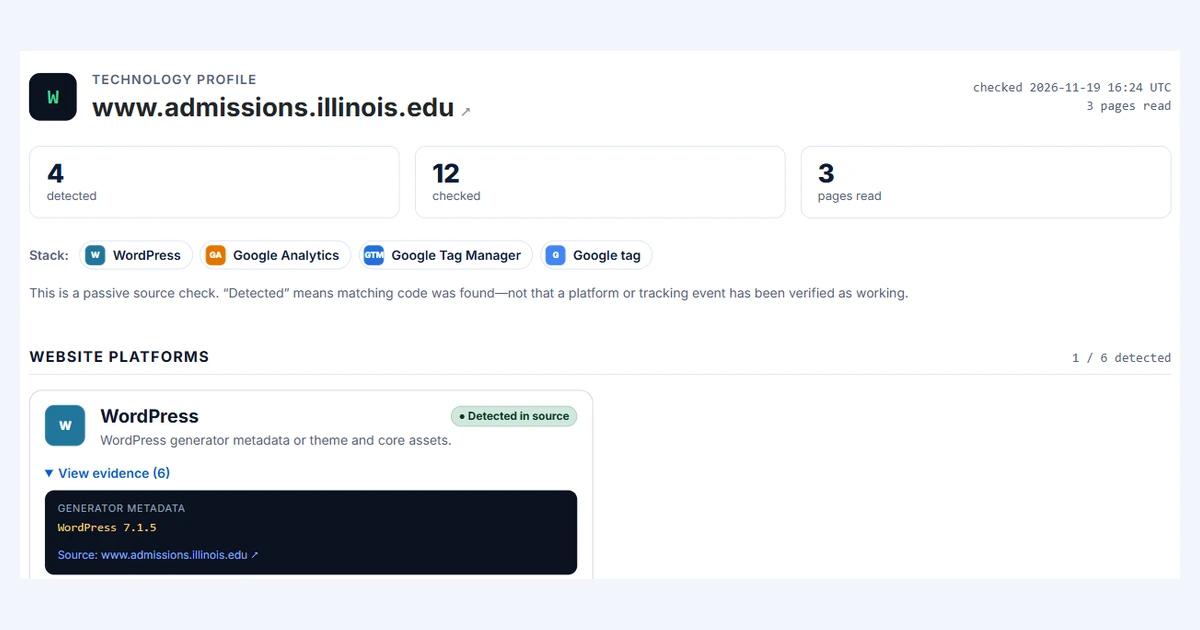
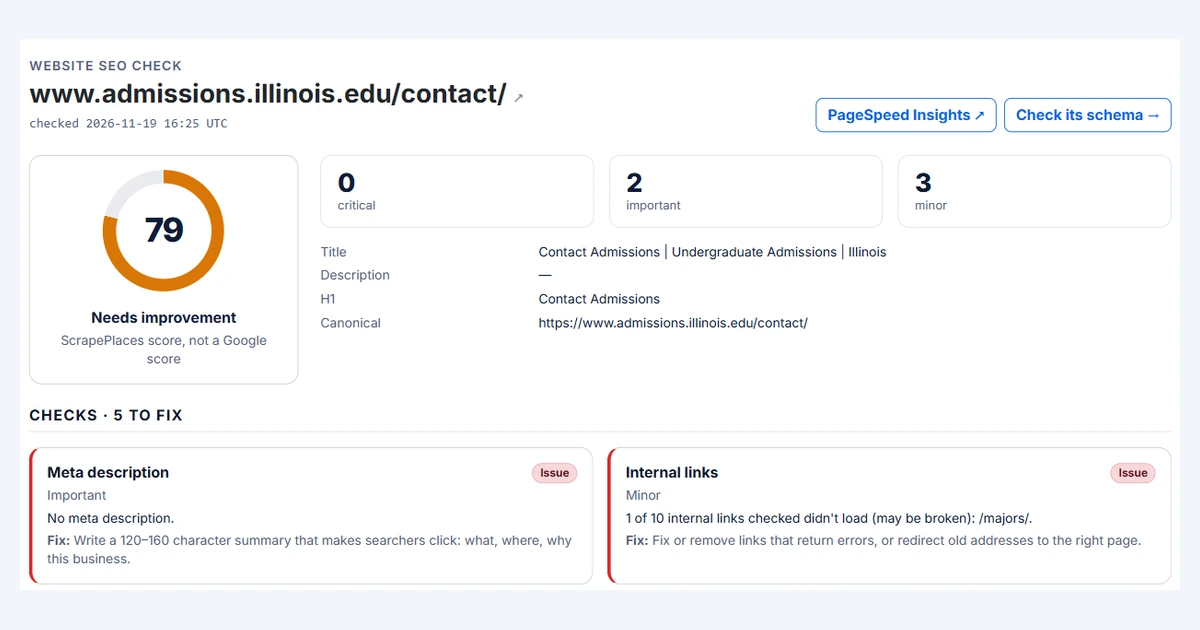
- Review websites to identify potential marketing opportunities.
- Create personalized outreach messages based on actual business needs.
This approach combines business research with digital marketing execution.
How ScrapePlaces Can Help
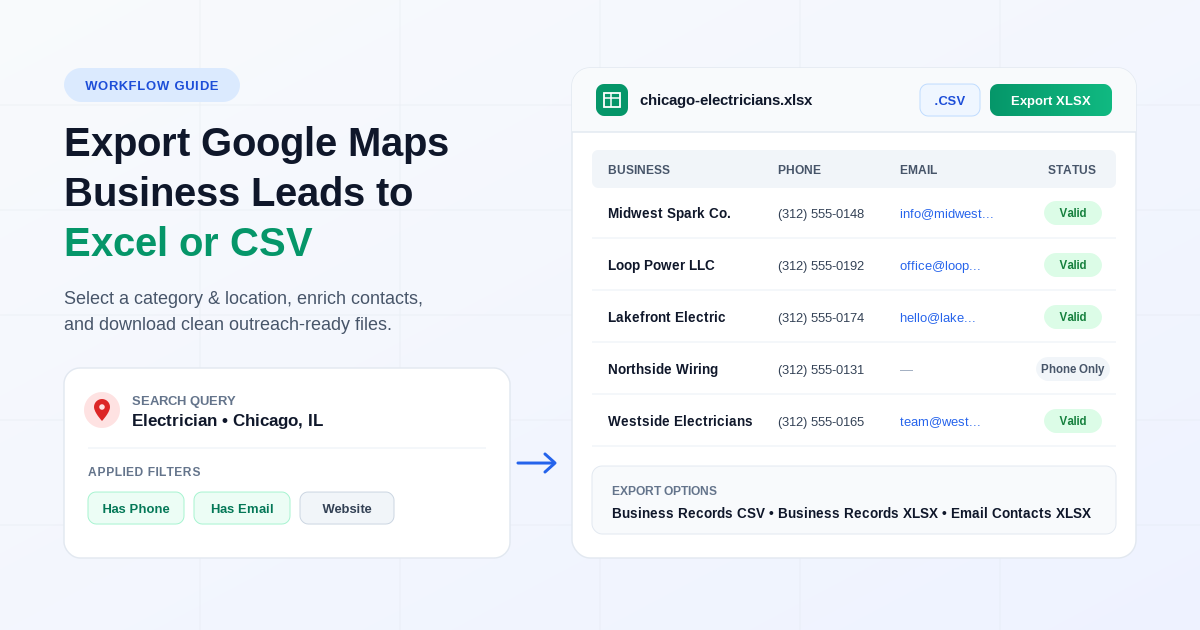
ScrapePlaces helps businesses discover and organize local business data from Google Maps.
Users can search by business category, keyword, and location, then build targeted lead lists.
Depending on the available records and selected enrichment options, businesses can obtain:
- Business names and locations
- Websites and phone numbers
- Available business email addresses
- Social media profiles
- Company information
- AI-assisted contact research
For digital marketing agencies, this can reduce the manual work involved in researching potential customers.
Instead of spending hours assembling spreadsheets, agencies can focus more time on evaluating prospects, creating relevant offers, and building relationships.
Explore ScrapePlaces for Agencies.
How to Combine Digital Marketing and Lead Generation
The most effective customer acquisition strategies often combine several channels rather than relying on one.
Consider this example for an agency targeting local home-service companies.
| Step | Strategy | Goal |
|---|---|---|
| 1 | Business discovery | Identify relevant local companies |
| 2 | Website research | Understand each prospect's needs |
| 3 | SEO and content | Build credibility and attract inbound leads |
| 4 | Personalized outreach | Start relevant conversations |
| 5 | Paid advertising | Reach additional qualified audiences |
| 6 | Analytics | Measure leads, conversions, and acquisition costs |
The key is connecting research, marketing, and measurement into one repeatable process.
Three Metrics Every Digital Marketing Campaign Should Track
Customer Acquisition Cost (CAC)
How much does it cost to acquire a new paying customer?
CAC = Total acquisition costs ÷ New customers acquired
For example, spending $1,000 to acquire 10 customers produces a CAC of $100.
Lead-to-Customer Conversion Rate
What percentage of leads become customers?
Conversion rate = New customers ÷ Total leads × 100
If 100 qualified leads produce five customers, the conversion rate is 5%.
Return on Advertising Spend (ROAS)
How much revenue does advertising generate relative to its cost?
ROAS = Revenue attributed to ads ÷ Advertising spend
For example, $4,000 in attributed revenue from $1,000 in advertising produces a 4:1 ROAS.
These metrics help businesses move beyond impressions and clicks to evaluate actual commercial results.
Common Digital Marketing Mistakes
Even experienced marketers can waste time and money when campaigns lack clear targeting.
Some common mistakes include:
- Targeting everyone instead of a defined customer segment.
- Measuring website traffic without tracking qualified leads.
- Using generic outreach messages.
- Spending on advertising before improving landing pages.
- Relying on inaccurate or outdated business information.
- Treating AI-generated personalization as verified research.
A strong marketing process begins with understanding the audience and ends with measuring results.
The Future of Digital Marketing: AI, Data, and Personalization
AI is changing how businesses research markets, develop content, analyze customer behavior, and prepare marketing campaigns.
But AI alone does not guarantee better results.
Businesses still need reliable data, relevant messaging, responsible outreach practices, and clear performance measurement.
For agencies, combining AI-assisted research with structured business information can make prospecting more efficient.
The competitive advantage isn't simply using more automation. It's using better information to make better marketing decisions.
Final Thoughts
Digital marketing includes SEO, paid advertising, social media, content, email, partnerships, and data-driven lead generation.
Each channel serves a different purpose, but they work best when connected to a clear customer acquisition strategy.
For businesses that sell to other businesses, finding the right prospects is often the first step.
Find the right businesses. Understand their needs. Reach them with something valuable. Measure what works.
That's how digital marketing becomes a repeatable growth process.
Build Your Next Targeted Business List
Looking for potential customers in a specific industry or location?
Explore ScrapePlaces to discover local businesses, organize contact information, and build targeted lead lists for your next marketing campaign.